TL;DR: A 200-hour yoga teacher training in Bali earns you a globally recognized Yoga Alliance RYT-200 certification, the standard credential for teaching yoga professionally anywhere in the world. Programs run every single month in 2026, cost between $1,800 and $3,500 (usually with accommodation and meals included), and last about 20 to 27 days. You’ll study asana, anatomy, philosophy, pranayama, and teaching methodology. Popular training hubs include Ubud, Canggu, and Uluwatu. This guide covers everything you need to plan, compare, and commit to your YTT.
More people than ever are choosing Bali for their 200-hour yoga teacher training in 2026. And if you’ve been researching this for a while, you already know why. The island packs world-class instruction, spiritual depth, and a cost of living that makes a month-long immersion genuinely affordable, all in one place.
But with dozens of programs running across several locations, the planning part can feel like a lot. What will you actually learn? How much does it cost? Which area of Bali is right for you? What do you need to sort out before you fly?
This complete guide answers all of it. We’ll walk you through the certification, the curriculum, the cost breakdown, the best time to go, how to choose a school, and what to do after you graduate. By the end, you’ll know exactly what to look for and feel confident booking.
What Is a 200-Hour Yoga Teacher Training?
A 200-hour yoga teacher training is the foundational certification course recognized by Yoga Alliance as the entry-level requirement for teaching yoga professionally. When you complete it at an accredited school and register with Yoga Alliance, you earn the title of Registered Yoga Teacher (RYT-200). This credential is recognized in studios, gyms, resorts, and wellness centers in over 100 countries.
It’s the first and most important step on your teaching path. The 200 hours cover everything from postures and breathwork to philosophy and anatomy. You also do practice teaching, which is where the real confidence comes from. Most programs run as intensive, live-in courses lasting three to four weeks. You train every day in a structured environment.
One thing worth knowing: according to Yoga Alliance’s official standards, all 200 training hours must come from the same school. You can’t combine hours from two different programs to qualify. So choosing the right school matters before you commit.
You don’t need to be an advanced practitioner to join. Many students come with just a year or two of regular practice. What matters more is consistency, a genuine interest in yoga, and being ready to show up fully for several weeks of intensive study.
Why Bali Is One of the Best Places in the World for a 200-Hour YTT
Bali has become a top destination for yoga teacher training for reasons that go well beyond the scenery, and the scenery is genuinely stunning.
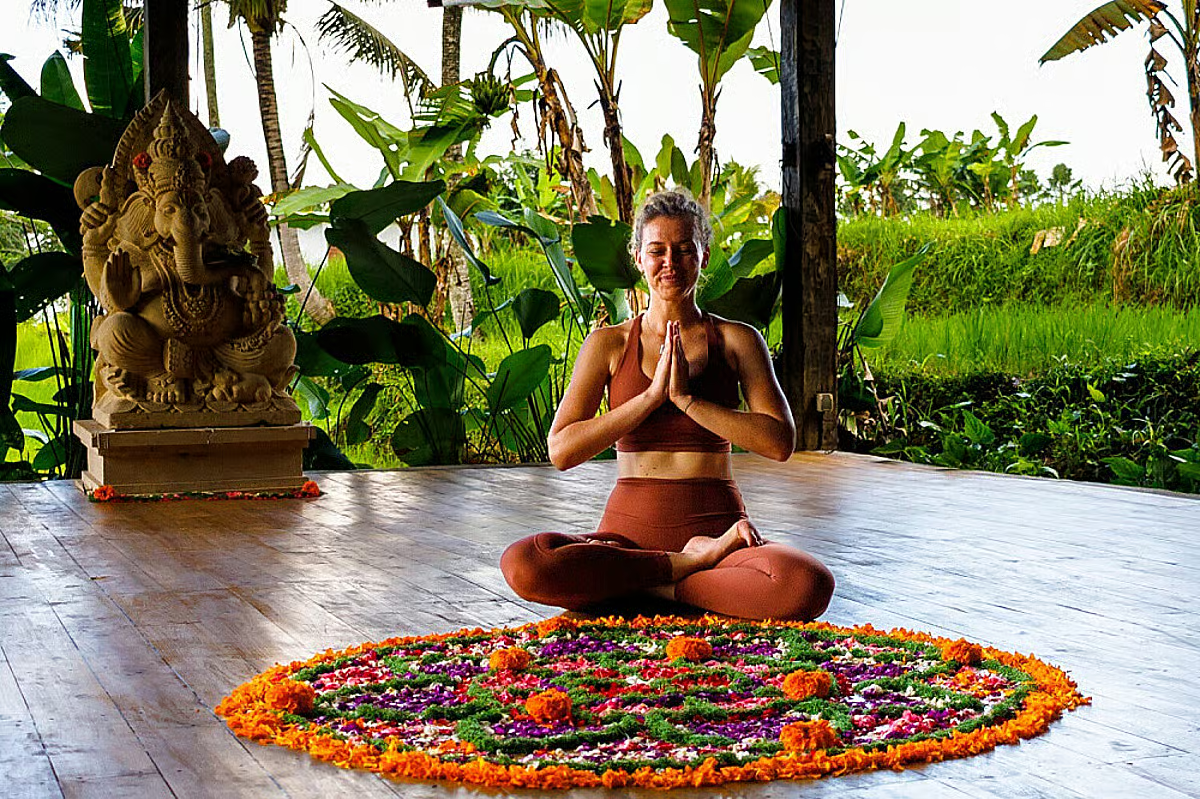
The island’s deeply rooted Hindu-Balinese culture creates a daily backdrop of ritual, ceremony, and spiritual practice. Offerings are placed at temples and doorways every morning. Sacred sites like Tirta Empul and Uluwatu Temple are still active centers of community worship, not just tourist stops. This environment puts yoga back in context. It reminds you that yoga isn’t just movement. It’s a way of living.
Bali has also built one of the strongest yoga teacher communities in the world. Experienced instructors from India, Australia, Europe, and North America have settled here, bringing a wide range of traditions and styles. Whether you want traditional Ashtanga, dynamic Vinyasa, slow Yin, or a multi-style program, you’ll find expert teachers across all of them.
The value for money is hard to match anywhere else. A 200-hour YTT in the United States or Western Europe typically costs $3,000 to $6,000 or more, often without accommodation included. In Bali, programs that include your room, meals, and certification run between $1,800 and $3,500. Your daily cost of living outside the program is also low. A good meal in Ubud costs a few dollars. Massage and wellness services are widely available and affordable.
For an overview of all the programs currently running across Bali, you can browse and filter by location, style, and dates.
What Does a 200-Hour YTT Curriculum Cover?
Every Yoga Alliance-registered 200-hour program must teach five core subject areas: yoga techniques and training (asana, pranayama, and meditation), teaching methodology, anatomy and physiology, yoga philosophy and ethics, and a supervised practicum where you practice leading real classes. These areas are not optional. They’re what make the certification valid and globally recognized.
Here’s what each one actually looks like in practice.
Yoga Techniques and Training
This is the largest part of the curriculum. You’ll practice asana every day, learning proper alignment, hands-on adjustments, and how to safely sequence postures for different levels. Most Bali programs teach multiple styles including Hatha, Vinyasa, and Ashtanga. You’ll also work daily with pranayama (breathing techniques) and meditation, building a personal practice that informs how you teach.
Anatomy and Physiology
You’ll learn how the skeletal and muscular systems work in relation to yoga postures, how to spot and prevent common injuries, and how to offer modifications for different bodies. This is taught in a practical, accessible way that gives you real confidence when working with students.
Yoga Philosophy, Lifestyle, and Ethics
You’ll study the Yoga Sutras of Patanjali, the Eight Limbs of Yoga, and the Yamas and Niyamas, the ethical guidelines that form the foundation of yogic living. Many Bali programs also introduce the Bhagavad Gita, mantra chanting, and Sanskrit names for poses. Students often say this section changes how they look at their everyday life.
Teaching Methodology
You’ll learn how to design and sequence a class, use verbal and physical cues effectively, manage a room, adjust your language for beginners versus experienced students, and give constructive feedback. This is the bridge between knowing yoga and being able to share it clearly with others.
Practicum
Every student must spend a minimum of 5 contact hours actively teaching as the lead instructor, as required by Yoga Alliance’s school standards. Most Bali programs go well beyond this. You’ll practice teach in front of your cohort, receive detailed feedback, and refine your delivery throughout the training. This is where most students report the biggest growth.
Many Bali programs also include bonus sessions like Yoga Nidra, Ayurveda introductions, sound healing, and kirtan. These aren’t required by Yoga Alliance but they’re common and genuinely valuable.
Best Locations for a 200-Hour YTT in Bali
Bali is larger than most people expect. The island has several distinct training hubs, and the one you pick will shape your entire experience. Visit all Bali locations to browse programs by area.
The yoga capital of Bali. Set inland among rice terraces and jungle, Ubud is quieter and more contemplative. Highest concentration of yoga schools and wellness centers. Best for full cultural and spiritual immersion.
Surf culture meets yoga culture on the southwest coast. Train in the morning, walk to good waves in the afternoon. Younger, social crowd with a strong international community.
Dramatic cliffs above the Indian Ocean. Less crowded than Ubud and Canggu, with world-class surf breaks and some of the most beautiful ocean-view shalas in Bali.
A small island off Bali’s southeast coast. Small, intimate programs with a slow island pace, clear water, and a strong sense of community. Ideal for total disconnection.
Each of these areas offers a genuinely different experience. Think about what kind of environment helps you focus best, and choose accordingly.
How Much Does a 200-Hour Yoga Teacher Training in Bali Cost?
Most 200-hour yoga teacher training programs in Bali cost between $1,800 and $3,500, and the majority include accommodation, meals, course materials, and your graduation certificate in that price. This all-in model makes Bali significantly more affordable than training in Western countries, where tuition alone often exceeds $3,000 before you factor in accommodation and food.
| Tier | Price Range | What’s Typically Included |
|---|---|---|
| Budget | $1,800 – $2,200 | Shared accommodation, daily vegetarian/vegan meals, all course materials, Yoga Alliance-recognized certificate. Class sizes 15–22 students. |
| Mid-Range | $2,200 – $3,000 | Private room upgrade options, more experienced lead teachers, smaller class sizes, some excursions or wellness sessions included. Programs run 21–27 days. |
| Premium | $3,000 – $3,500+ | Resort-based boutique accommodation, daily massages, more one-on-one teacher time, specialist modules. Class sizes usually under 15 students. |
What to watch for in the pricing. Some programs advertise a low base price but charge separately for accommodation or meals. Always check what’s actually included. A $1,600 course without room or food can easily cost more in total than a $2,200 all-inclusive package.
Yoga Alliance registration fee. After you graduate, registering with Yoga Alliance as an RYT-200 costs $50 (application fee) plus $65 (first year annual dues), totaling $115. This is paid directly to Yoga Alliance and is not included in your training fee.
Early bird savings. Most schools offer 10 to 20% discounts when you book 2 to 3 months in advance. Booking early is almost always worth it.
When Is the Best Time to Do Your 200-Hour YTT in Bali?
The best time to do your 200-hour yoga teacher training in Bali is during the dry season, which runs from April to October. During these months you’ll get sunny days, lower humidity, and conditions that make morning practice and outdoor sessions much more comfortable. If you want to narrow it down further, May, June, and September are the sweet spot: great weather, without the peak tourist crowds of July and August.
Sunny, lower humidity, ideal for outdoor practice. July–August is peak season: vibrant energy but busier and pricier. Sweet spot: May, June, September. Book 3–4 months ahead.
Heavier rainfall and humidity. Programs still run. Quieter, more affordable, more availability. Great for students who prefer a slower, more inward training experience.
One date to know: Nyepi. Nyepi is Bali’s Hindu Day of Silence. The entire island shuts down for 24 hours with no travel, no lights, and no public activity. The date changes each year but usually falls in March. Check whether your travel or start dates overlap with Nyepi before booking.
For 2026 program dates by month, browse January, April, June, September, and December on YTTinBali.
How to Choose the Right 200-Hour YTT School in Bali
There are dozens of yoga teacher training schools in Bali, and quality varies widely. Here’s a clear checklist to help you tell a great program from a mediocre one.
- Check Yoga Alliance accreditation first. Every legitimate 200-hour program should be listed as an active Registered Yoga School (RYS 200) on the Yoga Alliance school directory. This is non-negotiable. Always verify directly on the Yoga Alliance website before booking.
- Look at class size. Smaller class sizes mean more personal attention. Look for programs with 25 or fewer students. Some of the best programs in Bali cap at 15 to 18 students per cohort. This matters a lot during practice teaching, anatomy labs, and individual adjustments.
- Check the lead trainer’s credentials. According to Yoga Alliance’s standards for registered schools, all lead trainers for RYS 200 programs are required to hold the E-RYT 500 credential. Ask the school directly if this isn’t clear on their website.
- Match the yoga style to your interests. Ashtanga and Vinyasa are movement-intensive. Hatha is more methodical and alignment-focused. Multi-style programs give a broader foundation. Yin attracts students drawn to slower, meditative practice. Be honest about what resonates before you commit.
- Read genuine reviews. Look on Google, Facebook, and independent platforms rather than just the school’s own website. Pay attention to comments about teacher quality, feedback style, and whether the curriculum delivered on its promises.
- Understand exactly what’s included. Get a clear breakdown: accommodation type, meals, course materials, excursions, and whether the Yoga Alliance registration fee is included.
You can compare programs side by side on YTTinBali. You can also check how we rate and verify schools to understand our evaluation criteria.
What Happens After You Graduate?
Once you finish your 200-hour YTT, register with Yoga Alliance using your graduation certificate to receive the RYT-200 title. The full process typically takes one to two weeks. Your name then appears in the public Yoga Alliance directory and you’re officially qualified to teach yoga professionally anywhere in the world.
- Register with Yoga Alliance. Submit your certificate at yogaalliance.org. The $115 total fee covers the application ($50) plus first-year dues ($65). The process takes about one to two weeks.
- Start teaching. Your RYT-200 qualifies you to teach at studios, gyms, resorts, wellness centers, corporate programs, and online. Many studios across Southeast Asia actively recruit newly certified teachers.
- Build your experience toward E-RYT 200. After teaching for two years and accumulating 1,000 teaching hours, you can upgrade to E-RYT 200. This allows you to lead continuing education workshops and serve as a lead trainer for other 200-hour programs.
- Consider a 300-hour advanced training. The natural next step is a 300-hour YTT in Bali. Completing both qualifies you for RYT-500 status, the highest standard credential, increasingly required at premium studios and high-end retreats globally.
Bali Entry Requirements for 2026
Sorting your paperwork before you fly will save you a lot of time at the airport. Here’s what every international student needs to prepare.
1. Passport validity. Your passport must be valid for at least 6 months from your date of arrival in Indonesia. Check this well in advance. Renewing a passport can take several weeks in some countries.
2. Visa on Arrival or e-Visa on Arrival. Most international travelers enter Bali on a Visa on Arrival (VoA) or an Electronic Visa on Arrival (e-VoA). Both cost IDR 500,000 (approximately $35 USD) and are valid for 30 days, extendable once. Most 200-hour programs run 20 to 27 days, which fits comfortably within the 30-day window.
3. Bali Tourism Levy. All international visitors must pay a one-time tourism levy of IDR 150,000 (approximately $10 USD). According to Bali’s official Love Bali portal, this fee supports cultural preservation and environmental protection. Pay before you fly at lovebali.baliprov.go.id to skip the queues at the airport.
4. All Indonesia Arrival Form. Complete the All Indonesia form at allindonesia.imigrasi.go.id within 72 hours before arrival. This replaces the old customs declaration and health pass forms. You’ll receive a QR code to show at immigration when you land.
- Passport valid for 6+ months from arrival date
- e-VoA applied for online (or ready to queue for VoA at the airport)
- Tourism Levy paid via the Love Bali portal
- All Indonesia arrival form completed within 72 hours of departure
- All QR codes saved offline on your phone
Conclusion
A 200-hour yoga teacher training in Bali in 2026 is one of the most practical and meaningful ways to earn your certification. You get world-class instruction, a fully immersive environment, and a globally recognized credential, at a price point that’s hard to match anywhere in the world.
Here are the three decisions that matter most.
- Pick an accredited school. Make sure it’s an active RYS 200 on the Yoga Alliance directory. Everything else flows from this.
- Choose your location based on your personality. Ubud for spiritual depth and jungle calm. Canggu for a beachy, social energy. Uluwatu for ocean views and a quieter pace. Nusa Lembongan for total island immersion.
- Book 3 to 4 months in advance. Programs fill fast, especially in the dry season. Booking early also gets you better flight prices and early bird discounts.
When you’re ready to explore what’s available in 2026, the YTTinBali school directory lists verified programs across every location and style, with transparent information to help you compare clearly and choose confidently.
Frequently Asked Questions
Do I need yoga experience to join a 200-hour YTT in Bali?
No prior teaching experience is required, and most programs welcome dedicated beginners. What matters is that you have a consistent personal practice, generally at least six months to a year of regular yoga. Some schools specify a minimum experience level, so always check the enrollment requirements before applying.
Is Yoga Alliance certification recognized worldwide?
Yes. The RYT-200 credential from Yoga Alliance is the most widely recognized yoga teacher certification in the world. Most yoga studios, gyms, resorts, and corporate wellness programs across North America, Europe, Australia, and Asia recognize and often require it for employment.
How long does a 200-hour YTT in Bali last?
Most 200-hour programs in Bali run for 20 to 27 days as an intensive residential course. You train Monday through Saturday with one or two rest days per week. Some schools also offer hybrid formats where you complete part of the curriculum online before arriving for the in-person portion.
Can I extend my stay in Bali after finishing my training?
Yes. The standard Visa on Arrival or e-VoA is valid for 30 days and can be extended once for an additional 30 days. You apply for the extension at a local immigration office in Bali before your first 30 days expire. Many graduates choose to stay on for a few weeks to explore the island or deepen their practice before heading home.
Is it safe to travel to Bali alone for a yoga teacher training?
Bali is one of the most popular destinations in the world for solo travelers, and yoga teacher training programs specifically attract a lot of people traveling on their own. You’ll be living and training alongside a cohort of students from all over the world, so a strong community forms quickly. Solo female travelers and first-time solo travelers regularly report feeling comfortable and well-supported throughout their time in Bali.